Everything you need to know to run a property with elevators
If you manage commercial buildings, apartment communities, medical facilities, hotels, parking structures, or mixed-use properties, elevator safety is one responsibility that simply cannot be overlooked. While most property managers understand the importance of routine elevator maintenance, emergency communication systems are often misunderstood until an inspection fails or an emergency occurs.
Elevator phones are more than a convenience. They are a critical life safety system designed to connect trapped passengers with emergency assistance when every second matters. Understanding the compliance requirements can help avoid failed inspections, unexpected repair costs, and unnecessary liability.
At Destra Business Services, we work with property managers throughout Southern California to modernize aging elevator communication systems using our Mobile Connect 2 cellular gateway. Our goal is to keep buildings compliant while reducing monthly communication costs and eliminating dependence on aging copper telephone lines.
Understanding ASME Requirements
The American Society of Mechanical Engineers (ASME) publishes the safety code that governs elevators throughout the United States. California adopts and enforces these standards through state and local authorities.
One of the primary requirements is that every passenger elevator must have an operational two-way emergency communication system. When someone presses the emergency call button inside the elevator cab, the system must establish reliable communication with a location capable of responding appropriately.
The communication device must function whenever the elevator is in service. It cannot rely on an unreliable or disconnected telephone line, and it must continue operating even as traditional copper telephone infrastructure is retired by telecommunications providers.
Many elevators installed twenty or thirty years ago still depend on analog telephone service that was never designed for today’s communications networks. As carriers continue retiring copper infrastructure, these systems become increasingly vulnerable to outages and inspection failures.
ADA Accessibility Requirements
Compliance extends beyond simply placing a telephone inside the elevator. The Americans with Disabilities Act requires emergency communication systems to be usable by individuals with a wide range of disabilities.
Modern emergency communication systems must provide clear, accessible operation. Passengers should receive confirmation that their emergency call has been placed and that assistance is on the way. Controls must be positioned and labeled appropriately so individuals with mobility or visual impairments can operate the system during an emergency.
For property managers, ADA compliance is about ensuring every occupant has equal access to emergency assistance regardless of physical ability. Upgrading older communication equipment often improves both accessibility and overall reliability.
Routine Testing Is Not Optional
Installing an elevator phone is only the beginning. Emergency communication systems should be tested regularly to verify they continue functioning properly.
Testing typically confirms that the emergency button initiates a successful call, that audio quality remains clear in both directions, that the receiving party can identify the elevator’s location, and that the system responds consistently every time it is activated.
Many inspection failures occur because a communication system worked years ago but gradually failed due to damaged wiring, disconnected phone service, aging equipment, or changes made by telephone carriers.
Routine testing allows property managers to identify problems before annual inspections or, more importantly, before a passenger needs emergency assistance.
Documentation Matters
Maintaining accurate records is an often-overlooked part of elevator compliance.
Property managers should maintain documentation showing installation dates, equipment information, service records, communication tests, maintenance performed, and any repairs or upgrades completed over the life of the system.
Well-organized documentation demonstrates a commitment to safety and makes it easier to respond to inspection questions or maintenance issues. It also simplifies transitions when management companies change or new facility personnel assume responsibility for the building.
Why Ongoing Monitoring Is So Valuable
An emergency phone that fails silently creates one of the greatest risks for any property owner. The equipment may appear perfectly normal until someone actually needs it.
Modern cellular communication solutions offer significantly greater reliability than many aging analog phone lines while allowing providers to monitor system health more effectively. Continuous monitoring helps identify communication problems before they become life safety issues, reducing emergency service calls and avoiding many inspection failures.
Rather than waiting for an annual inspection to discover a disconnected phone line, property managers can address potential issues proactively.
Preparing for the End of Copper Telephone Lines
Across California, traditional telephone companies continue retiring copper infrastructure in favor of fiber and wireless technologies. Many elevator phones installed decades ago depend on those aging copper circuits.
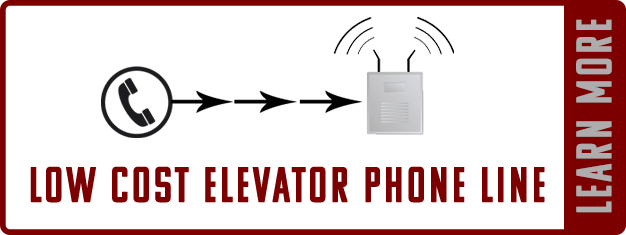
Replacing failing copper service with a dedicated cellular gateway provides a future-ready solution that avoids dependence on obsolete infrastructure. Cellular communication eliminates many maintenance concerns associated with analog lines while simplifying billing and often reducing monthly operating expenses.
Destra Business Services’ Mobile Connect 2 was designed specifically to bridge existing elevator communication equipment to today’s cellular networks. In many cases, existing elevator phones can remain in place while the communication path is modernized, reducing installation costs and minimizing disruption.
Helping Southern California Property Managers Stay Compliant
Every building is different, but the objective remains the same: provide reliable emergency communication that meets current safety standards and protects passengers when they need help most.
Destra Business Services partners with property managers, building owners, elevator contractors, and facility maintenance teams throughout Southern California to replace aging copper telephone lines with dependable cellular service. Our Mobile Connect 2 solution is available for just $44 per month per line, offering an affordable alternative to traditional landline service while helping future-proof your elevator communications.
If you’re uncertain whether your elevator phones still meet today’s requirements, now is the ideal time to evaluate your system before your next inspection. A proactive upgrade today can prevent failed inspections, emergency repairs, and unnecessary downtime tomorrow.
Reliable Elevator Phone Service & Installation
You can save up to 60% on your elevator phone by switching to our Mobile Connect 2 service.
Why you should upgrade your elevator phone line to cellular?
Installation is quick; our DBS techs service all of Socal, plus..
Lifetime warranty on our Mobile Connect 2 when service is retained through DBS*
Elevator Phone Service and Installation In and Around:
Los Angeles | Irvine | Long Beach | Ventura | Riverside | San Diego