

Copper-to-Cellular: A New Standard for Emergency Communications
The transition from traditional copper telephone service to modern cellular networks is reshaping the way buildings handle emergency and life-safety communications.
For decades, elevators, gate systems, intercoms, pool phones, and other analog devices depended on POTS, or Plain Old Telephone Service. Those copper lines provided the familiar dial tone and analog connection that older communication equipment was designed to use.
Today, that infrastructure is steadily being retired. The good news for property owners is that the communication equipment itself does not always need to be replaced.
With Mobile Connect 2 from Destra Business Services, many existing elevator emergency phones and other analog devices can continue operating while the traditional copper telephone line behind them is replaced with a cellular connection.
The Copper-to-Cellular Shift
Copper telephone networks have been part of the communications landscape for well over a century.
For much of that time, they were the default connection for residential phones, commercial telephone systems, elevator emergency phones, alarm panels, intercoms, and many other devices. That is changing rapidly.
Major carriers are investing in fiber, wireless, and IP-based services while reducing their reliance on legacy copper infrastructure.
This does not mean that every copper line in the United States has been shut down or that there is one universal POTS cutoff date. Instead, the transition is happening gradually.
Telephone companies are retiring copper facilities by region, wire center, neighborhood, and service area. Some buildings may still have traditional POTS service available for years, while others may receive notices requiring them to transition sooner. For property managers, the important point is simple:
Copper service is no longer the long-term communications platform it once was.
There Is No Single Nationwide POTS Sunset Date
For several years, the telecommunications industry circulated predictions that POTS service would disappear entirely by 2025.
That did not happen. Copper phone lines still operate in many areas in 2026.
What has changed is the regulatory and business environment surrounding them.
The FCC has modernized rules that previously made it more difficult for carriers to retire legacy infrastructure, while telephone companies have continued reducing investment in copper and moving customers toward modern alternatives.
AT&T, for example, has stated that it plans to exit the majority of its copper network footprint by the end of 2029 and is already retiring copper facilities in parts of California.
That makes the copper-to-cellular transition less about waiting for a single nationwide deadline and more about preparing before your particular property is affected.
Why Are Copper Networks Being Retired?
Maintaining traditional copper infrastructure is expensive.
Copper networks require physical cable, switching equipment, field technicians, maintenance, repairs, and replacement infrastructure. Many of those systems are decades old and serve far fewer customers than they once did.
At the same time, telecommunications companies are investing heavily in newer technologies such as fiber optic networks and cellular communications.
Copper theft has also become a significant problem in some areas. Carriers have reported repeated theft and damage to copper facilities, sometimes choosing to retire the affected infrastructure rather than repeatedly replace it.
All of these factors make continued reliance on traditional POTS service less attractive for carriers and increasingly uncertain for building owners.
Emergency Communication Systems Still Need a Connection
The decline of POTS does not eliminate the need for emergency communication. Elevator phones are a perfect example.
An elevator emergency phone may be used only occasionally, but it must remain ready to place a call when someone becomes trapped or needs assistance.
That communication path cannot simply disappear because the telephone company retires the copper line serving the building.
The same issue applies to other analog systems, including gate intercoms, parking structure phones, pool phones, emergency call stations, and security communication equipment.
That is where copper-to-cellular technology becomes especially useful.
What Is a Copper-to-Cellular Conversion?
A copper-to-cellular conversion replaces the traditional telephone service behind an existing analog device with a cellular communication path. The goal is not necessarily to replace the equipment.
Instead, the gateway provides the analog telephone interface the existing device expects while routing the communication over a cellular network.
For an elevator phone, the process looks like this:
The passenger uses the same emergency phone or HELP button already installed in the elevator. The elevator equipment places the call as it normally would, and the cellular gateway carries the communication over the cellular network rather than a traditional copper line.
The conversion happens behind the scenes.
To the existing elevator phone, the connection still behaves like the analog telephone service it was designed to use.
Mobile Connect 2 Bridges Old Equipment and New Networks
The Destra Business Services Mobile Connect 2 was designed specifically for this type of transition.
Mobile Connect 2 provides the analog telephone interface required by compatible legacy equipment while connecting that equipment to a cellular network.
This allows many buildings to retain their existing emergency communication hardware rather than replacing it simply because the telephone infrastructure has changed.
That can be especially valuable for older properties where the elevator phone is still fully operational but the copper line supporting it has become expensive, unreliable, or scheduled for retirement.
The concept is straightforward:
Keep the working equipment. Replace the aging communication path.
Why Cellular Makes Sense for Elevator Emergency Phones
Elevator phone lines are unusual because they may receive very little use while still needing to remain available 24 hours a day.
That makes them poor candidates for expensive legacy telephone service.
A property may be paying a high monthly fee for a copper line that is rarely used but cannot be disconnected because the elevator requires emergency communication.
Cellular service can provide a more practical alternative.
Mobile Connect 2 service starts at $44 per month, per line, and DBS customers may save substantially compared with their previous telephone service.
Depending on the existing provider and rate, savings can range from approximately 20% to 60%.
For buildings with several elevators or multiple analog communication lines, the annual difference can be significant.
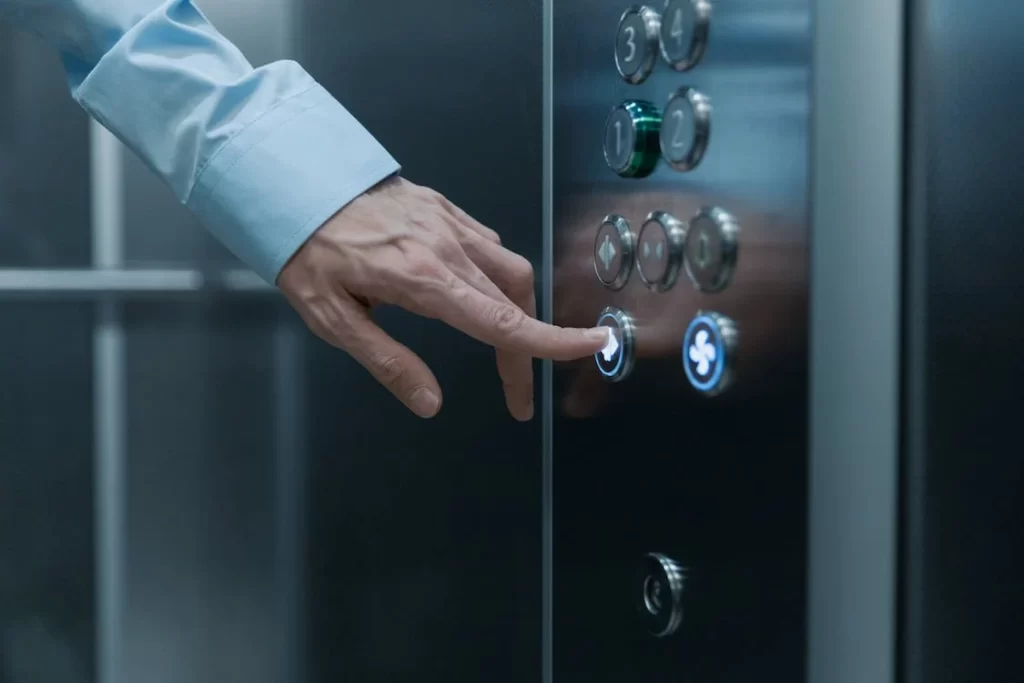
Reliable Elevator Phone Service & Installation
You can save up to 60% on your elevator phone by switching to our Mobile Connect 2 service.
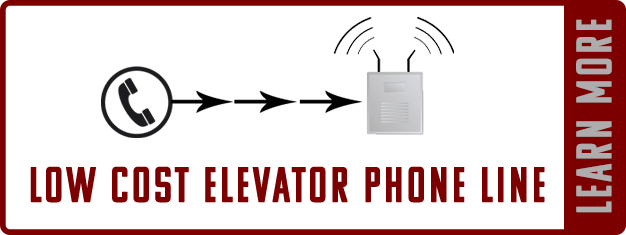
Why you should upgrade your elevator phone line to cellular?
Installation is quick; our DBS techs service all of Southern California, plus..
Lifetime warranty on our Mobile Connect 2 when service is retained through DBS*
Copper-to-Cellular Without Replacing the Elevator Phone
One of the biggest advantages of a copper-to-cellular conversion is that the existing elevator phone may remain in place.
Many older elevator phones were designed specifically to work with analog telephone service.
If that equipment is still functioning properly and compatible with a gateway, there may be no reason to remove it.
Mobile Connect 2 can provide the interface required by the phone while shifting the actual communication to cellular service.
That can avoid the expense of replacing the phone, modifying the elevator car, installing unnecessary wiring, or performing a more extensive system retrofit.
More Than Just Elevators
The same copper-to-cellular approach can be used for many other building systems.
Gate access systems, intercoms, parking phones, pool phones, emergency call stations, and other analog devices may all depend on traditional telephone service.
If the equipment still works but the copper line has become a problem, replacing the communication path can often be more practical than replacing the device.
Destra Business Services specializes in helping property owners evaluate these systems and determine whether a cellular gateway is an appropriate replacement for the existing landline.
Prepare Before Your Copper Line Is Retired
One of the most important advantages of converting proactively is control.
If you wait until the telephone company sends a copper-retirement notice, your building may be forced to make a decision quickly.
By evaluating the system ahead of time, you can determine whether the existing equipment is compatible, review cellular coverage, plan the installation, and transition on your own schedule.
That is particularly important for elevator emergency phones and other systems where communication cannot simply be interrupted.
The Future of Emergency Communication Is Already Here
Copper telephone service has not disappeared entirely, but its direction is clear.
Carriers are steadily moving away from aging copper infrastructure and toward modern fiber, wireless, and IP-based networks.
For property owners, that makes copper-to-cellular conversion more than a temporary workaround.
It is a practical way to preserve existing analog communication equipment while moving the building onto a modern communications network.
With Mobile Connect 2, Destra Business Services can help bridge that gap.
Keep your existing elevator phone. Replace the old copper line. Move your emergency communication to cellular.
Industries Benefiting from the Reduced Cost of Cellular
Several industries can benefit from upgrading their emergency phones from copper to cellular. These include:
Real Estate, HOA, and Property Management: Property managers can enhance the safety and reliability of their building’s elevator phone system by upgrading to a cellular-based solution. This can improve tenant experience and reduce telecom costs.
Healthcare Facilities: Hospitals and other healthcare facilities can ensure reliable communication in their elevators, which is crucial during emergencies.
Hospitality Industry: Hotels and resorts can provide a safer and more reliable experience for their guests by upgrading their elevator phone systems.
Commercial Buildings: Office buildings and shopping malls can enhance the safety of their premises and improve their reputation by ensuring reliable emergency communication.
Upgrade Your Elevator Phone Service
The copper-to-cellular shift is revolutionizing emergency communications. By upgrading your emergency elevator phone systems to our cellular networks, you can reap the benefits including enhanced safety, improved reliability, and reduced costs. Schedule a consultation to learn more about Destra Business Services and the Mobile Connet 2.
