Emergency Communications Done Right
Property managers have a lot on their plate. Between tenant concerns, vendor coordination, budgeting, inspections, and regulatory compliance, it is easy for elevator emergency communication requirements to become something that only receives attention when an inspection is due or a violation notice arrives.
The reality is that elevator emergency phones are not simply another building system. They are a critical life-safety component designed to protect passengers during emergencies. Understanding the compliance requirements can help property managers avoid costly violations, reduce liability exposure, and ensure that building occupants have reliable access to help when they need it most.
At Destra Business Services, we frequently speak with property managers who are unsure about the specific rules governing elevator emergency communications. While elevator contractors handle much of the inspection process, understanding the fundamentals can help managers make informed decisions and maintain compliance year-round.
Understanding ASME Elevator Communication Requirements
Most elevator communication requirements originate from the ASME A17.1 Safety Code for Elevators and Escalators. This standard establishes the operational requirements for emergency communication systems installed inside elevator cabs.
The primary goal is straightforward: if a passenger becomes trapped inside an elevator, they must be able to communicate with someone who can initiate emergency assistance.
Modern elevator emergency phones must provide reliable two-way communication between elevator passengers and an authorized monitoring location. The communication system must function even when the passenger is unable to use a traditional handset or may be experiencing stress during an emergency situation.
In recent years, ASME standards have evolved to place greater emphasis on accessibility, reliability, and verification that calls are actually reaching a qualified monitoring location. These updates have created challenges for older analog phone systems that were installed decades ago and were never designed to meet modern communication standards.
As traditional copper telephone infrastructure continues to disappear across California, many property owners are finding that maintaining compliance with older phone systems is becoming increasingly difficult and expensive.
ADA Requirements and Accessibility Considerations
In addition to ASME standards, elevator communication systems must also satisfy requirements established under the Americans with Disabilities Act (ADA).
The intent of ADA requirements is to ensure that elevator emergency communication systems can be used by individuals with disabilities, including those who may have hearing or speech impairments.
Modern compliant systems typically incorporate visual indicators that confirm a call has been placed and that communication has been established. These indicators provide important reassurance for passengers who may not be able to rely solely on audio communication.
Property managers should understand that compliance is not limited to whether a phone call can be placed. Accessibility features, communication confirmation, and user interface requirements may all be evaluated during inspections and modernization projects.
When elevator equipment is upgraded or replaced, communication systems often need to be reviewed to ensure they continue to satisfy current accessibility standards.
Testing Expectations for Elevator Emergency Phones
One of the most common misunderstandings among property managers is the belief that elevator phones only need attention during annual inspections.
In reality, emergency communication systems should be tested regularly throughout the year.
Testing verifies several critical functions. First, the call must successfully connect to the designated monitoring location. Second, two-way communication must be clear and reliable. Third, any visual indicators or status lights must function correctly. Finally, the monitoring provider must be able to accurately identify the elevator location when a call is received.
Regular testing helps identify service interruptions, equipment failures, damaged wiring, and carrier-related issues before they become inspection failures.
Unfortunately, many buildings discover communication problems only when an inspector performs a compliance test. By that point, the elevator may be removed from service until repairs are completed, creating inconvenience for tenants and unexpected expenses for building owners.
The Importance of Documentation
Documentation is another area where many properties encounter compliance issues.
Building owners and managers should maintain records of communication testing, service activities, equipment upgrades, monitoring information, and any corrective actions that have been performed.
Good documentation serves multiple purposes. It demonstrates a proactive commitment to compliance, provides evidence of maintenance efforts, and helps technicians troubleshoot recurring issues more efficiently.
If an inspection identifies a communication problem, having detailed service records can significantly streamline the resolution process.
Property managers overseeing multiple properties often benefit from maintaining centralized records that include emergency phone numbers, monitoring provider information, service dates, testing schedules, and equipment details for each location.
This approach reduces administrative confusion and helps ensure that critical compliance tasks are not overlooked.
Why Monitoring Matters More Than Ever
An elevator phone is only as effective as the monitoring service behind it.
When an emergency call is placed, the receiving party must be capable of identifying the elevator location and initiating an appropriate response. Simply routing calls to a front desk, maintenance office, or unattended phone line may not satisfy current expectations for emergency response.
Professional monitoring services provide consistent call handling, documentation, and response procedures that help support compliance efforts while improving passenger safety.
This becomes especially important for properties that are not staffed around the clock. Residential communities, parking structures, office buildings, and mixed-use developments often require a monitoring solution that remains available regardless of time of day.
Reliable monitoring also helps property managers demonstrate that their emergency communication systems are functioning as intended and are prepared to respond when needed.
The Growing Challenge of Traditional Phone Lines
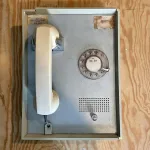
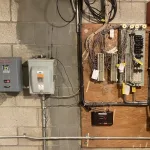
Many elevator phones were originally connected to analog copper telephone lines. Across California, telecommunications providers continue to retire and reduce support for this aging infrastructure.
As a result, property managers are facing rising monthly costs, service disruptions, and increasing difficulty obtaining repairs for traditional phone service.
This shift has accelerated the adoption of cellular-based elevator communication systems.
Cellular solutions eliminate dependence on aging copper infrastructure while providing reliable connectivity, predictable monthly costs, and simplified deployment. They can often be installed without extensive construction work and frequently reduce ongoing communication expenses.
For many properties, upgrading to a modern cellular communication platform has become both a compliance strategy and a cost-saving measure.
How Destra Business Services Helps
At Destra Business Services, we help property managers, building owners, and facility operators modernize elevator emergency communications through our Mobile Connect 2 cellular gateway solution.
Mobile Connect 2 replaces dependence on aging landlines by converting elevator emergency communication systems to secure cellular service. The solution supports reliable emergency calling, simplifies ongoing maintenance, and helps properties prepare for the continued retirement of traditional telephone infrastructure.
Our team works directly with property managers, elevator contractors, and service providers to ensure smooth installations, proper testing, and dependable operation. We understand the unique challenges faced by multi-tenant buildings, parking structures, residential communities, and commercial properties throughout Southern California.
Whether you are preparing for an inspection, replacing an aging phone line, or simply looking to reduce monthly communication costs, our team can help evaluate your current system and identify a practical path forward.
Elevator phone compliance does not have to be complicated. With the right technology, proper testing, and dependable monitoring, property managers can protect building occupants, satisfy regulatory requirements, and avoid costly surprises during inspections.
Reliable Elevator Phone Service & Installation
You can save up to 60% on your elevator phone by switching to our Mobile Connect 2 service.
Why upgrade your elevator phone line to cellular?
Installation is quick; our DBS techs service all of Southern California, plus..
We offer a lifetime warranty on the Mobile Connect 2 when service is retained through DBS*
Elevator Phone Service and Installation In and Around:
Los Angeles | Irvine | Long Beach | Ventura | Riverside | San Diego